


What Actually Makes a Fundraising Campaign Successful
Updated October 10, 2026
So, you’re considering a fundraising campaign. The need is clear, but you’re less certain where the gifts will come from. Some donors have supported your organization for years. Others are just getting to know the work and impact. A campaign can look achievable until you ask where the gifts will come from.
You may have loyal donors and a compelling reason to raise more. But how much of the goal would depend on a few large gifts? And how well do you know the people you would ask to make them? The answers depend partly on what happens after the first gift. Each conversation and follow-up is an opportunity to understand a donor’s interests and give them a reason to stay involved. Those relationships help you judge what support you can realistically build on.
Before committing to a campaign goal, you need to understand which donors it would depend on and where more work is needed.
Your Campaign Depends on Different Donors in Different Ways
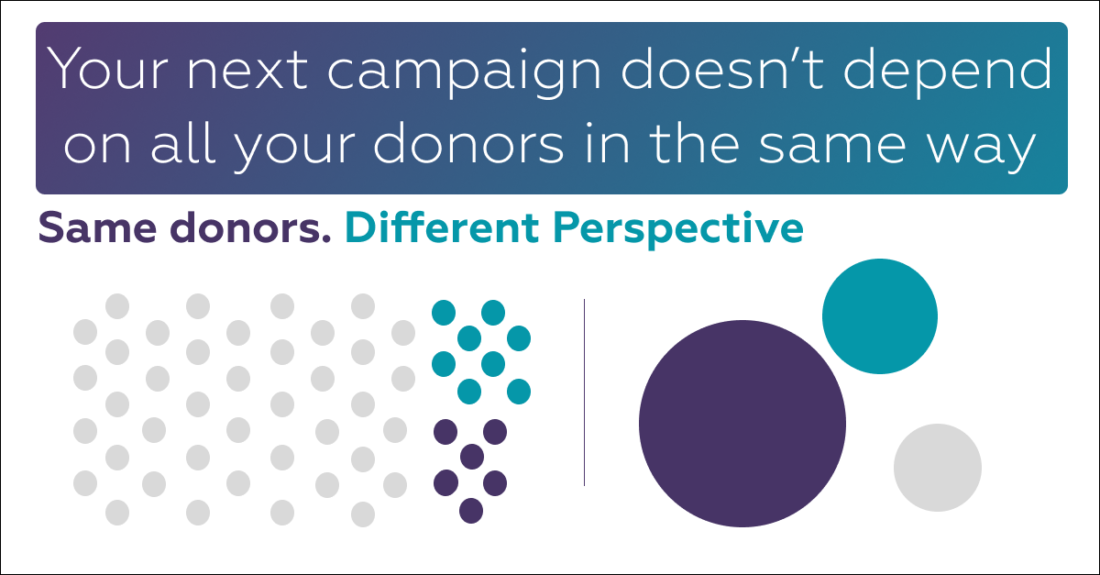
A large donor base can be encouraging. It can also obscure how much of your fundraising depends on a small number of people. Look beyond the total raised. You may find that a handful of gifts account for a substantial share of revenue, while regular contributions from many other donors provide dependable ongoing support.
That difference matters when you plan a campaign. If a few large gifts would carry much of the goal, those relationships need careful attention. If you expect existing donors to give more, you need to understand what could motivate that additional support and whether it is within their means.
Every donor’s contribution matters. A realistic campaign plan recognizes the different roles those gifts could play and the work required to secure them.
Why This Matters for Canadian Charities
Canadian giving data show how much support can depend on one group of donors.
Statistics Canada reported that tax filers aged 65 and older accounted for 35% of those claiming charitable donations in 2023, but half of the total amount claimed. These figures cover donations claimed on tax returns, rather than all charitable giving.
Your donor base may look different. The point is to understand your own concentration of support before making commitments against it.
If your campaign relies heavily on long-standing donors, you need to understand their current interests and capacity. You also need to keep developing relationships with people who could support your work in the years ahead. A campaign deadline gives that work urgency, but relationship building takes time.
The Giving Pattern Behind Fundraising Campaign Success
Your fundraising total tells you how much came in. You take a closer look to understand who made that result possible and where future support could come from.
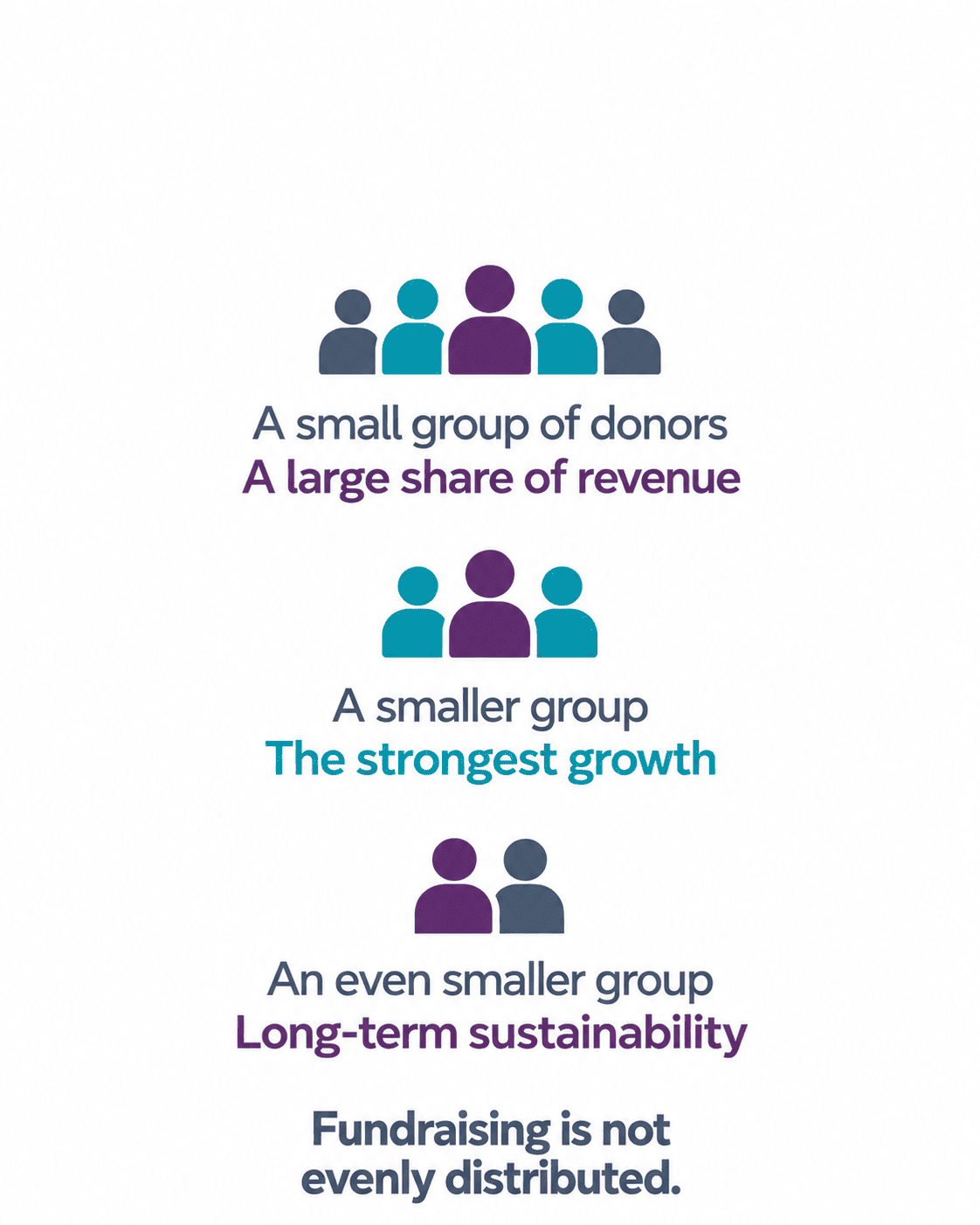
A relatively small group of donors may contribute a substantial share of your revenue. Within that group, a few people increasing their commitment can account for much of your growth. A smaller number of significant gifts or legacy commitments may also help shape what your organization can sustain over time.
You can see this in an annual appeal. Many donors renew their support, while a few larger gifts make a considerable difference to the final result. In major gift fundraising, the goal may depend on a handful of relationships. Legacy giving can extend a donor’s commitment well beyond their lifetime, although the timing of that support is often uncertain.
These gifts serve different purposes. Regular giving helps fund the work you need to do now. Increased support can help you expand it. A significant future gift may create opportunities that would otherwise remain out of reach.
Fundraising is not evenly distributed. Understanding that pattern helps you recognise where support is already strong, which relationships are developing, and how much your plans depend on gifts you have yet to secure.
The Fundraising Pressure Facing Canadian Charities
The need for your work can grow even when the support available to fund it does not. For a fundraising team, that can mean asking familiar donors to do more while trying to bring new people into the work.
More money coming in can make the donor picture look healthier than it is. Donations through CanadaHelps grew by 10% in 2025, but that growth depended heavily on larger gifts. Donations under $100 declined by 17%.
For a charity planning a campaign, that distinction matters. Revenue may be growing while dependence on a small group of donors is increasing.
Meanwhile, the need for support continues to grow. In Carleton University’s 2026 survey, 66% of responding charities reported increased demand for their services. For the people running those organizations, raising more money means being able to respond to needs they can already see.
Losing donors makes that work harder. When someone gives once and does not return, part of the next appeal goes toward replacing their support. A successful appeal can bring in new donors without building a larger base of people who continue to give. That leaves familiar donors carrying more of the expectation. You may be asking them to maintain their annual support and contribute to a campaign, while new relationships are still developing.
This is where the pattern becomes a pressure. If a few donors already account for much of your revenue, a larger goal needs more than confidence that they will give again. It needs a clear understanding of what those relationships could support and how you will develop the next group of committed donors.
How to Find Major Donors in Your Donor Base
When a campaign depends on a small number of significant gifts, it is tempting to start looking for people who could afford to make them. Some of those people may already know your organization. The question is whether you know enough about them.
A campaign launch does not create those relationships. They develop through the attention you give donors over time. Giving someone a clear next step after their first gift helps them stay involved. Consistent follow-up gives you opportunities to understand what matters to them and how they want to contribute.
That is how annual giving can develop into major or legacy support. A donor may become increasingly interested in a particular program, choose to increase their giving, or begin thinking about the difference they could make over the longer term. Those possibilities become clearer through conversation.
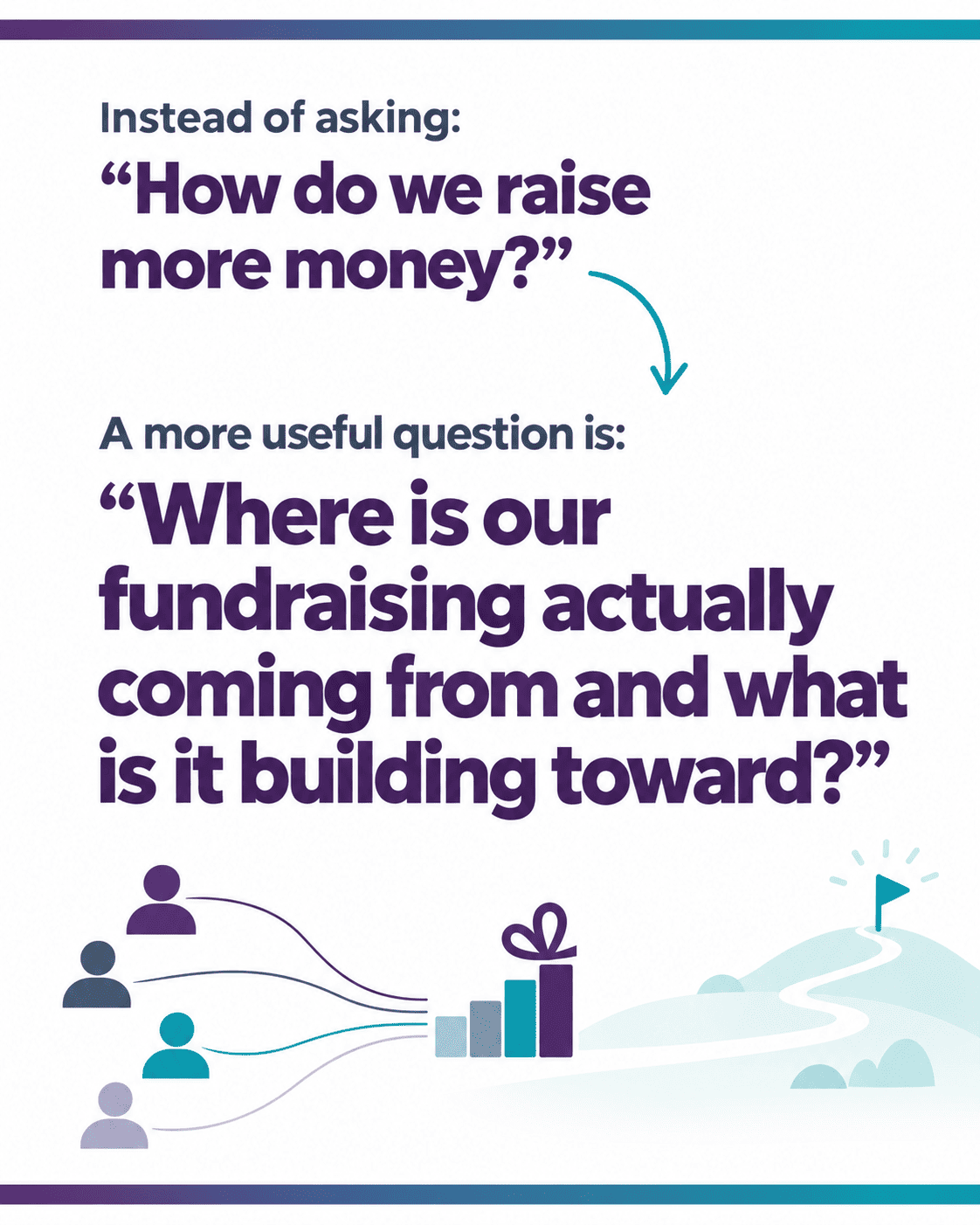
So, alongside “How do we find major donors?”, ask: “Can we see who our donors are becoming?”
Look at where revenue is already concentrated and whose giving is changing. Consider what you have learned through conversations, volunteering and other involvement. Someone whose gifts have remained modest may have a deeper commitment than their giving history alone suggests.
These are reasons to pay attention, rather than assume someone is ready for a larger ask. You still need to understand their capacity and interests.
New relationships will remain important. But before searching further afield, make sure you recognize the people already close to your work. Some of the donors your campaign needs may already be there, waiting for a conversation you have not yet had.
Gift Charts: Looking to the Donor Support Behind Your Goal
The donor relationships you have been developing are the starting point. A campaign gift chart helps you compare that support with what your goal would require.
It breaks the goal into giving levels, showing how many gifts you would need and how many qualified prospects you may need to approach. If a few large gifts would carry much of the campaign, what do you know about the people you would ask? Their interests, capacity and connection to your work matter more than their presence in your database.
You can explore what that gift structure could look like for your campaign, then consider whether the relationships you have could support it. The chart does not establish feasibility. It gives your team a clearer basis for discussing where support is developing and which expectations still need evidence.
Start Your Campaign Planning With the Donors You Know
When you have a campaign to fund, it is tempting to start looking for new donors. First, spend some time with the people already supporting your work.
Look at who gives regularly, who has increased their support and who has shown interest in what you are planning. Then speak with them. Giving records can help you prepare, but they cannot tell you whether someone wants to support the campaign. A donor may have supported your annual appeal for years without being asked what interests them most. You know they care enough to give. You may know very little about why they keep giving or what they would like to see happen next. A campaign is a reason to have that conversation.
There will also be people whose potential is less obvious in the records. Someone making modest gifts may be closely involved as a volunteer or have a strong personal connection to a program. That does not establish their capacity for a major gift. It does give you a reason to learn more about their interest in the work. You may find that a long-standing donor is ready to discuss a larger commitment. You may learn that someone you were counting on cannot take on more right now. Both conversations help you plan. They also give donors room to tell you what works for them.
New donors will still matter. But understanding your existing support helps you see where you need to build new relationships, how much time that could take and whether your proposed goal reflects the support available.
Before You Commit to Your Campaign Goal
Your campaign goal will depend on people making commitments. Before you settle on the number, look closely at the gifts it would require and the relationships behind them.
A gift chart helps you start that conversation. You can see how much depends on larger gifts, how many qualified prospects you may need and what you would be asking annual donors to contribute beyond their usual support. Then compare those requirements with what you know. Which donors have expressed interest? Which conversations are still at an early stage? Where are you counting on support you have not yet discussed?
That is where the work after the first gift comes back into view. The time you spend listening and keeping donors involved helps you understand what support might be possible. A chart makes the expectations visible; those relationships give you a basis for judging them.
The free calculator gives you immediate results from four starting details. You can adjust the assumptions and download a two-page report to discuss with your team. That discussion may raise broader questions about your campaign readiness, including whether your team has the time and capacity to carry the work forward.
AI Transparency Statement: AdvanceU 1st Consultants used generative AI to assist with research, organization, drafting, and editing of this article. All professional insights, interpretations, recommendation, and final editorial decisions reflect the expertise and judgement of AdvanceU.