


What actually makes a fundraising campaign successful
Last week, we looked at a simple question:
What happens after the first gift?
Because if that isn’t clear then everything that follows gets harder.
This week, we’re looking at a different question:
What actually makes a fundraising campaign successful?
At first, those can feel like separate conversations. They’re not.
Because the donors your campaign depends on don’t appear at the moment you need them.
They are built in what happens after the first gift.
Missed that blog post click here: What Happens After the First Gift? | Donor Retention
The Pattern Behind Campaign Success
Across almost every organization, you’ll find:
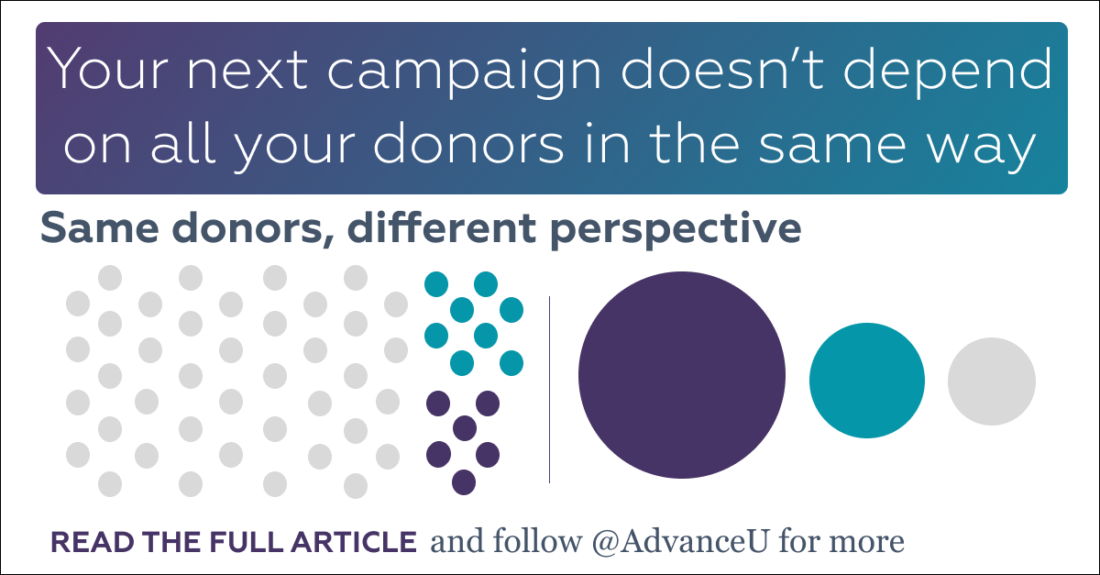
- a relatively small group of donors contributing a large share of revenue
- a smaller group still driving the most significant growth
- and an even smaller group shaping long-term sustainability
This isn’t unique to one type of campaign. It shows up in:
- annual appeals
- major gift fundraising
- legacy giving
Fundraising is not evenly distributed.
The Pressure Behind This Reality
This matters even more in the current Canadian context.
Across the sector:
- fewer Canadians are giving year over year
- while demand for charitable services continues to rise
At the same time: more than half of new donors do not give again after their first gift
Which creates a structural tension:
- fewer donors
- carrying more of the load
And: It’s becoming more pronounced.
Where These Two Ideas Connect
This is where last week’s conversation becomes critical.
Because if your campaign depends on a small number of donors:
Where do those donors come from?
They don’t arrive fully formed.
They don’t appear because a campaign starts.
They are developed over time through:
- a clear next step after the first gift
- consistent engagement
- and a shared understanding of what the relationship is building toward
This is how annual giving becomes major and legacy giving. And how major giving becomes transformational.
This Is Also How You Find Your Donors
The question many organizations ask is:
“How do we find major donors?”
But in practice, the better question is:
“Can we see who our donors are becoming?”
Because once you understand:
- where revenue is already concentrated
- which donors are increasing their giving
- and how relationships are evolving; something shifts.
This is also how you find your donors.
Not by starting outside the organization.
But by recognizing:
- who is already closest
- who is showing capacity or commitment
- and where to focus
In many cases, the donors you’re looking for are already there. They’re just not yet clearly visible.
Where Campaigns Start to Feel Risky
When this progression isn’t clear, campaigns start to feel uncertain.
Not because of lack of effort. But because of lack of visibility.
Questions begin to surface:
- Do we actually have enough of the right donors?
- Are we relying on assumptions we haven’t tested?
- Will this come together the way we expect?
From the outside, everything can look active.
Inside, confidence is often lower than people are comfortable saying.
Making the Structure Visible
This is where many organizations benefit from stepping back.
Not to slow things down.
But to make the structure of their fundraising visible.
To understand:
- how the goal breaks down
- where revenue is concentrated
- and what success actually depends on
This is where a gift chart becomes useful.
Not as a technical tool, but as a way to make assumptions clear and testable
Because once that structure is visible:
- risk becomes clearer
- focus becomes easier
- and decisions become more grounded
A Different Starting Point
Instead of asking:
“How do we raise more money?”
A more useful question is:
“Where is our fundraising actually coming from and what is it building toward?”
That applies whether you are:
- strengthening an annual campaign
- developing major gifts
- or thinking about long-term legacy support
If You’re Thinking About What Comes Next
Before you plan more activity, start with clarity.
You need to know what your fundraising actually depends on.
A gift chart shows you:
- where your goal comes from
- how many major gifts you need
- and where the pressure really sits
We’ve built a simple version you can use right away.
Fill in a short form and we’ll send you a customized chart based on your organization.
Final Thought
Campaigns don’t create your most important donors.
They reveal whether you’ve already built them.
And that work starts much earlier; with what happens after the first gift.
And, if you’re unsure whether that clarity is articulated yet, a KIST Clarity Call is the simplest place to start.
No Comments